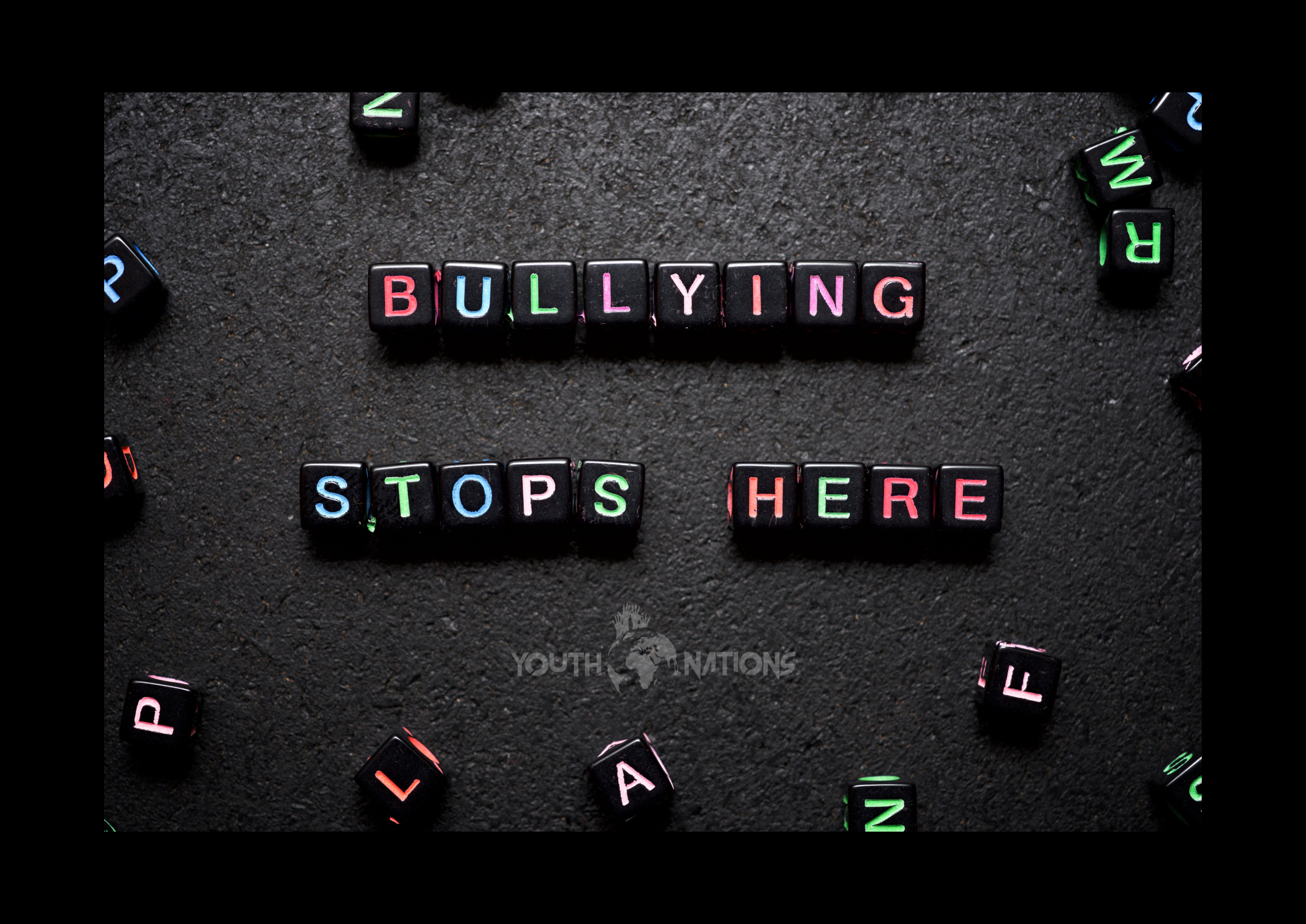
The recent, highly publicised cases of alleged bullying at schools, both private and public, in ALL grades, have forced a critical national conversation. As educators and leaders, we can no longer treat bullying as mere “schoolyard drama.” It is a profound failure in social and emotional development that, if left unaddressed, sets a dangerous precedent for the future of our workplaces and our society.
The patterns are identical; only the setting changes. The school bully who uses intimidation and social exclusion becomes the workplace harasser who undermines colleagues. The victim who suffers in silence in the classroom becomes the employee who burns out from a toxic work environment. The bystanders who do nothing at school become the disengaged co-workers who enable a corrosive culture.
The Limits of Punitive Measures and the Need for a Deeper Solution When a bullying incident arises, many schools find themselves constrained by the reactive nature of their own policies. While codes of conduct are essential for setting standards, they often lack the proactive, developmental frameworks needed to effectively resolve the underlying conflict. The standard toolkit—comprising suspensions, hearings, and expulsions—is crucial for ensuring immediate safety and administering discipline. However, these measures primarily address the symptom of the problem, not its cause.
A purely punitive approach, while sometimes necessary, often leaves the core issue unaddressed. It can temporarily separate the individuals involved but rarely equips them with the skills to break the cycle. The root cause of bullying frequently lies in a deficit of emotional intelligence, self-awareness, and constructive conflict-resolution skills. Without addressing these foundational gaps, we risk merely pausing the behaviour, not transforming it.
When we only punish, we miss the opportunity to educate and rehabilitate. Both the perpetrator and the victim are left without the crucial tools to break the cycle. The bully’s behaviour is often a cry for help or a misdirected expression of their own pain, while the victim is left without the resilience and self-worth to navigate future challenges.
Enhancing Your Code of Conduct: A Proactive Framework A modern, effective code of conduct must integrate proactive, developmental strategies alongside its disciplinary procedures. It must ask not just “What rule was broken?” but “What skill is missing?”
Here is a three-pillar framework to enhance your school’s approach:
- Prevention Through Curriculum: Integrate social-emotional learning (SEL) into the fabric of school life. This means moving beyond annual anti-bullying assemblies to weekly lessons on empathy, communication, and managing emotions.
- Intervention with Restoration: When an incident occurs, the process shouldn’t end with punishment. Where appropriate, implement restorative justice circles that force the bully to confront the human impact of their actions and allow the victim to be heard. This teaches accountability far more effectively than isolation.
- Post-Incident Development: Mandate participation in targeted programmes for both the individual who bullied and the one who was targeted. This is not a punishment, but a necessary intervention to build the missing skills that led to the incident.
How Youth Nations’ Life Design for Kids! Builds These Essential Skills Our Life Design for Kids! programme is specifically engineered to fill this exact gap. It is a proactive and interventionist tool that schools can leverage to address the core of the bullying dynamic.
- For the Potential Bully: The programme challenges them to confront their identity and values. Through activities focused on self-awareness and emotional intelligence, we guide them to understand the source of their anger or need for dominance. They learn that true leadership comes from empowering others, not intimidating them.
- For the Potential Victim: We build resilience, self-worth, and assertive communication. Campers learn to set boundaries, recognise their own inherent value, and find their voice in a supportive environment. They build a “personal toolkit” for navigating challenging social situations.
- For the Bystander: The programme emphasises empathy and courageous leadership, empowering the silent majority to become “upstanders” who can report incidents and support their peers, thereby shifting the entire school culture.
The activities at our camp—from team challenges to reflective workshops—are practical labs for practising these new skills in real-time.
A Unified Call to Action The conversation on social media—from the outrage in Facebook parent groups to the supportive messages on Instagram and the powerful personal stories shared on TikTok—shows a community desperate for solutions. We cannot police our way out of this problem. We must educate our way out.
Let us work together to transform our schools into environments that don’t just punish negative behaviour, but actively build the character that prevents it from occurring in the first place. The well-being of our children—and the health of our future workplaces—depends on it.
I invite school principals, heads of department, and governing body members to reach out for a conversation. Let’s discuss how a partnership with Youth Nations can integrate these vital life skills into your student support framework.
#BullyingPrevention #SocialEmotionalLearning #Education #SchoolLeadership #LifeDesign4Kids #YouthDevelopment #LifeSkills #SouthAfrica #RestorativePractices #FutureOfWork
Discover more from Youth Nations
Subscribe to get the latest posts sent to your email.